Resident Evil: Art Design and Visual Style Guide
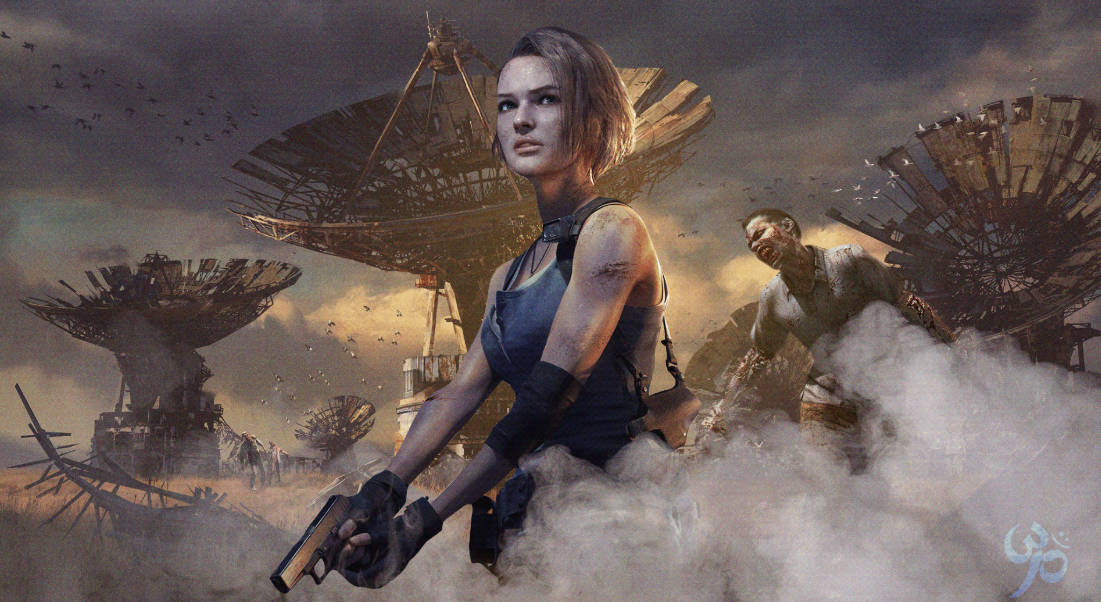
Resident Evil: Art Design and Visual Style Guide
Welcome to our comprehensive guide to the art design and visual style of the Resident Evil series. This guide explores the evolution of the series’ visual identity, from the pre-rendered backgrounds of the classic games to the photorealistic graphics of the modern titles.
The Evolution of Visual Style
Classic Era (1996-2000)
-
Pre-Rendered Backgrounds
- Used in Resident Evil 1, 2, 3, and Code Veronica
- Created using 3D modeling software
- Allowed for detailed environments on limited hardware
- Created a cinematic, film-like experience
-
Character Models
- Low-poly models due to hardware limitations
- Hand-painted textures
- Limited animation
- Stylized rather than realistic
-
Color Palette
- Dark, muted colors
- Heavy use of greens and browns
- High contrast between light and shadow
- Created a gloomy, oppressive atmosphere
-
Visual Effects
- Limited particle effects
- Basic lighting effects
- Simple blood and gore effects
- Focus on atmosphere over realism
Transition Era (2002-2004)
-
Resident Evil Remake (2002)
- First Resident Evil game with real-time 3D environments
- Improved character models
- Enhanced lighting effects
- More detailed textures
-
Resident Evil 0 (2002)
- Built on the same engine as the Resident Evil Remake
- Similar visual style
- Improved character animations
- More detailed environments
-
Resident Evil: Code Veronica X (2001)
- Enhanced version of the original Code Veronica
- Improved graphics
- Additional content
- Transition between classic and modern visual styles
Modern Era (2005-present)
-
Resident Evil 4 (2005)
- Completely new visual style
- Over-the-shoulder camera
- More detailed character models
- Improved lighting and effects
- More vibrant color palette
-
Resident Evil 5 (2009)
- Further improved graphics
- Co-op gameplay
- More detailed environments
- Improved character animations
- More realistic lighting
-
Resident Evil 6 (2012)
- Similar visual style to Resident Evil 5
- More detailed character models
- Improved lighting and effects
- Larger environments
- More action-oriented visuals
-
Resident Evil 7: Biohazard (2017)
- Completely new visual style
- First-person perspective
- Photorealistic graphics
- Advanced lighting and effects
- More intimate, claustrophobic environments
-
Resident Evil 2 Remake (2019)
- Modern remake of the classic game
- Photorealistic graphics
- Advanced lighting and effects
- Improved character models
- Faithful to the original’s visual identity
-
Resident Evil 3 Remake (2020)
- Modern remake of the classic game
- Similar visual style to Resident Evil 2 Remake
- Improved graphics
- More detailed environments
- Faithful to the original’s visual identity
-
Resident Evil Village (2021)
- Evolution of Resident Evil 7’s visual style
- First-person perspective
- Stunning environments
- Advanced lighting and effects
- More varied color palette
-
Resident Evil 4 Remake (2023)
- Modern remake of the classic game
- Photorealistic graphics
- Advanced lighting and effects
- Improved character models
- Faithful to the original’s visual identity
Key Art Design Elements
Environments
-
Spencer Mansion
- Gothic architecture
- Intricate details
- Hidden passages and secrets
- Atmospheric lighting
- Iconic location
-
Raccoon City Police Department
- Classic police station design
- Art deco elements
- Dilapidated and overrun
- Atmospheric lighting
- Iconic location
-
Raccoon City
- Urban environment
- Dilapidated buildings
- Overrun by zombies
- Atmospheric lighting
- Memorable setting
-
Baker House
- Southern plantation style
- Intimate and claustrophobic
- Dilapidated and decaying
- Atmospheric lighting
- Terrifying setting
-
European Village
- Gothic European architecture
- Snow-covered landscape
- Mysterious and atmospheric
- Stunning visuals
- Memorable setting
-
Castle Dimitrescu
- Gothic castle design
- Elegant and opulent
- Atmospheric lighting
- Stunning visuals
- Iconic location
Character Design
-
Heroes
- Chris Redfield: Muscular and rugged
- Jill Valentine: Athletic and resourceful
- Leon S. Kennedy: Stylish and charismatic
- Claire Redfield: Tough and compassionate
- Ethan Winters: Everyman with hidden strength
-
Villains
- Albert Wesker: Cool and calculating
- William Birkin/G-Birkin: Grotesque and tragic
- Nemesis: Relentless and terrifying
- Lady Dimitrescu: Elegant and menacing
- Mother Miranda: Mysterious and powerful
-
Enemies
- Zombies: Decaying and terrifying
- Hunters: Sleek and deadly
- Lickers: Grotesque and agile
- Ganados: Infected and aggressive
- Molded: Gooey and terrifying
- Lycans: Savage and beastly
Weapon Design
-
Handguns
- Realistic designs
- Varied calibers and styles
- Detailed textures
- Believable animations
-
Shotguns
- Realistic designs
- Powerful and intimidating
- Detailed textures
- Satisfying animations
-
Rifles
- Realistic designs
- Precise and deadly
- Detailed textures
- Believable animations
-
Special Weapons
- Creative designs
- Unique functionality
- Detailed textures
- Satisfying animations
Visual Techniques
Lighting
-
Atmospheric Lighting
- Used to create mood and atmosphere
- Heavy use of shadows
- Dramatic light sources
- Enhances the horror elements
-
Dynamic Lighting
- Used in modern games
- Real-time lighting calculations
- Responsive to player actions
- Enhances immersion
-
Color Grading
- Used to create a specific look and feel
- Different color palettes for different games
- Enhances the mood and atmosphere
- Creates visual consistency
Camera Work
-
Fixed Camera Angles
- Used in classic Resident Evil games
- Cinematic and film-like
- Creates tension through limited visibility
- Can be disorienting
-
Over-the-Shoulder
- Used in Resident Evil 4 and later games
- More immersive
- Better for action gameplay
- Allows for more precise aiming
-
First-Person
- Used in Resident Evil 7 and Village
- Most immersive
- Great for horror
- Creates a more personal experience
Visual Effects
-
Blood and Gore
- Used to enhance the horror elements
- More realistic in modern games
- Satisfying feedback for combat
- Can be intense for some players
-
Particle Effects
- Used for explosions, gunfire, and environmental effects
- More detailed in modern games
- Enhances immersion
- Adds visual interest
-
Post-Processing Effects
- Used to enhance the visual style
- Includes depth of field, motion blur, and bloom
- Creates a more cinematic experience
- Can be adjusted for performance
The Art of Resident Evil
Concept Art
-
Early Concepts
- Sketches and doodles
- Exploration of ideas
- Rough designs
- Creative freedom
-
Development Art
- More refined designs
- Color studies
- Environmental concepts
- Character designs
-
Final Art
- Polished designs
- Finalized character models
- Environmental layouts
- Marketing materials
Influences
-
Horror Films
- Influenced by classic horror films like “Night of the Living Dead”
- Inspired by atmospheric horror like “The Haunting”
- Influenced by action horror like “Aliens”
- Borrows elements from psychological horror
-
Architecture
- Gothic architecture influences the Spencer Mansion
- Art deco influences the Raccoon City Police Department
- European architecture influences the village in Resident Evil Village
- Southern plantation architecture influences the Baker House
-
Other Media
- Influenced by horror novels and comics
- Inspired by survival stories
- Influenced by action films
- Borrows elements from science fiction
The Evolution of Art Design
-
From Stylized to Realistic
- Classic games featured stylized graphics
- Modern games feature photorealistic graphics
- The art design has become more detailed and sophisticated
- The visual fidelity has increased dramatically
-
From Static to Dynamic
- Classic games featured static pre-rendered backgrounds
- Modern games feature dynamic real-time environments
- The art design has become more interactive
- The visual experience has become more immersive
-
From Limited to Expansive
- Classic games featured limited environments
- Modern games feature expansive environments
- The art design has become more ambitious
- The visual scope has increased dramatically
The Future of Resident Evil Art Design
Technological Advances
-
Ray Tracing
- Realistic lighting and reflections
- Enhanced visual fidelity
- More immersive environments
- Currently used in Resident Evil Village
-
Haptic Feedback
- Tactile feedback for visual elements
- Enhanced immersion
- More engaging gameplay
- Used in PlayStation 5 controllers
-
AI-Generated Content
- Procedural generation of environments
- Dynamic character design
- Personalized visual experiences
- Future technology
Artistic Directions
-
More Realistic
- Continued push for photorealistic graphics
- More detailed character models
- More realistic environments
- Enhanced visual fidelity
-
More Stylized
- Potential return to more stylized graphics
- Artistic direction over realism
- Unique visual identity
- Creative freedom
-
More Immersive
- Enhanced VR support
- More interactive environments
- Dynamic visual elements
- More engaging experiences
Conclusion
The art design and visual style of the Resident Evil series have evolved dramatically over the years, from the stylized pre-rendered backgrounds of the classic games to the photorealistic graphics of the modern titles. Throughout this evolution, the series has maintained its iconic visual identity while pushing the boundaries of what’s possible in video game art.
From the Gothic architecture of the Spencer Mansion to the snow-covered European village in Resident Evil Village, the environments of the Resident Evil series are as memorable as the characters and gameplay. The art design has played a crucial role in creating the atmospheric horror that the series is known for, and it will continue to evolve as technology advances and artistic directions change.
As we look to the future, the art design of the Resident Evil series will no doubt continue to impress and terrify players, pushing the boundaries of what’s possible in video game visuals and creating unforgettable experiences for fans around the world.