advertisement3
Resident Evil: History and Evolution
advertisement2
Resident Evil: History and Evolution
Welcome to our comprehensive guide to the history and evolution of the Resident Evil series. This guide covers the development, release, and evolution of the Resident Evil games from 1996 to present.
The Birth of Survival Horror (1996)
Development
- Original Concept: Inspired by Sweet Home (1989), a Japanese horror game
- Development Team: Led by Shinji Mikami at Capcom
- Platform: PlayStation
- Release Date: March 22, 1996 (Japan)
Key Features
- Fixed Camera Angles: Pre-rendered backgrounds with fixed camera positions
- Tank Controls: Character movement controlled like a tank
- Limited Resources: Scarcity of ammo and healing items
- Save System: Limited saves using ink ribbons
- Atmospheric Horror: Focus on tension and suspense
Reception
- Critical Acclaim: Praised for its atmosphere and gameplay
- Commercial Success: Sold over 2 million copies worldwide
- Cultural Impact: Defined the survival horror genre
Expansion and Sequels (1998-2000)
Resident Evil 2 (1998)
- Release Date: January 21, 1998
- Setting: Raccoon City
- Characters: Leon S. Kennedy and Claire Redfield
- Key Features: Zapping System (A/B scenarios)
- Sales: Over 4 million copies worldwide
Resident Evil 3: Nemesis (1999)
- Release Date: September 22, 1999
- Setting: Raccoon City
- Characters: Jill Valentine
- Key Features: Nemesis (relentless antagonist), dodge system
- Sales: Over 3 million copies worldwide
Resident Evil: Code Veronica (2000)
- Release Date: February 3, 2000
- Setting: Rockfort Island and Antarctica
- Characters: Claire and Chris Redfield
- Key Features: 3D environments, real-time cutscenes
- Platform: Dreamcast (later ported to other platforms)
The Action Shift (2002-2005)
Resident Evil Remake (2002)
- Release Date: March 22, 2002
- Platform: GameCube
- Key Features: Updated graphics, new areas, Crimson Heads
- Reception: Critical acclaim, considered one of the best remakes ever
Resident Evil Zero (2002)
- Release Date: November 12, 2002
- Platform: GameCube
- Setting: Before the events of Resident Evil 1
- Key Features: Partner system, no item boxes
- Characters: Rebecca Chambers and Billy Coen
Resident Evil 4 (2005)
- Release Date: January 11, 2005
- Platform: GameCube (later ported to multiple platforms)
- Setting: Rural Spain
- Characters: Leon S. Kennedy
- Key Features: Over-the-shoulder camera, action-oriented gameplay
- Reception: Universal acclaim, Game of the Year awards
- Sales: Over 10 million copies worldwide
The Modern Era (2009-2012)
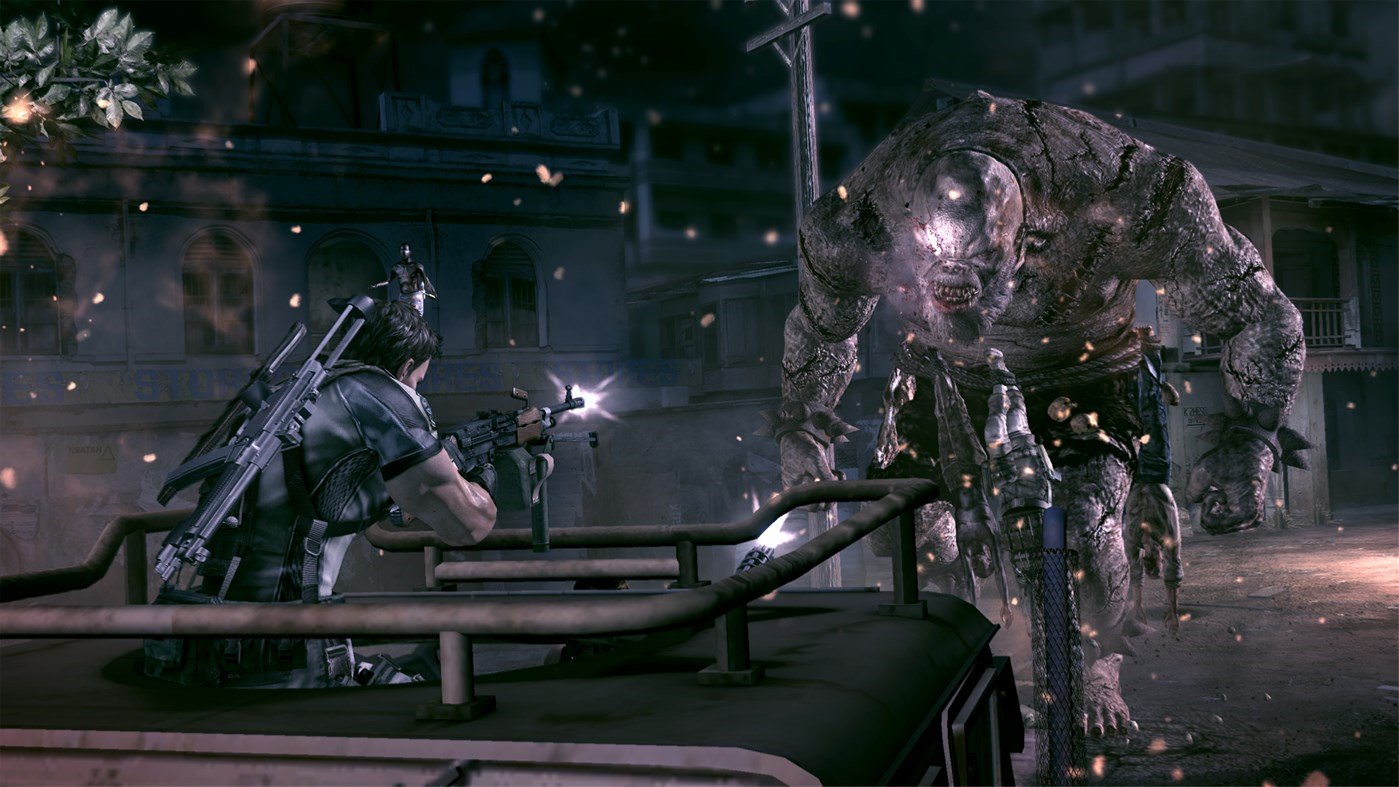
Resident Evil 5 (2009)
- Release Date: March 5, 2009
- Platform: PlayStation 3, Xbox 360
- Setting: Africa
- Characters: Chris Redfield and Sheva Alomar
- Key Features: Co-op gameplay, more action-oriented
- Sales: Over 7 million copies worldwide
Resident Evil: Revelations (2012)
- Release Date: January 26, 2012
- Platform: Nintendo 3DS
- Setting: Queen Zenobia cruise ship
- Characters: Jill Valentine and Chris Redfield
- Key Features: Return to survival horror roots
Resident Evil 6 (2012)
- Release Date: October 2, 2012
- Platform: PlayStation 3, Xbox 360
- Setting: Multiple locations worldwide
- Characters: Leon S. Kennedy, Chris Redfield, Jake Muller, Ada Wong
- Key Features: Four campaigns, co-op gameplay
- Reception: Mixed reviews, criticized for being too action-oriented
The Return to Survival Horror (2017-Present)
Resident Evil 7: Biohazard (2017)
- Release Date: January 24, 2017
- Platform: PlayStation 4, Xbox One, PC
- Setting: Dulvey, Louisiana
- Characters: Ethan Winters
- Key Features: First-person perspective, return to survival horror
- Reception: Critical acclaim, praised for returning to series roots
- Sales: Over 8 million copies worldwide
Resident Evil 2 Remake (2019)
- Release Date: January 25, 2019
- Platform: PlayStation 4, Xbox One, PC
- Setting: Raccoon City
- Characters: Leon S. Kennedy and Claire Redfield
- Key Features: Over-the-shoulder camera, updated graphics
- Reception: Universal acclaim, considered one of the best remakes ever
- Sales: Over 8 million copies worldwide
Resident Evil 3 Remake (2020)
- Release Date: April 3, 2020
- Platform: PlayStation 4, Xbox One, PC
- Setting: Raccoon City
- Characters: Jill Valentine
- Key Features: Updated graphics, revised gameplay
- Reception: Positive reviews, criticized for being shorter than RE2 Remake
Resident Evil Village (2021)
- Release Date: May 7, 2021
- Platform: PlayStation 5, Xbox Series X/S, PlayStation 4, Xbox One, PC
- Setting: European village
- Characters: Ethan Winters
- Key Features: First-person perspective, open-world elements
- Reception: Critical acclaim, praised for its atmosphere and gameplay
- Sales: Over 6 million copies worldwide
Resident Evil 4 Remake (2023)
- Release Date: March 24, 2023
- Platform: PlayStation 5, Xbox Series X/S, PC
- Setting: Rural Spain
- Characters: Leon S. Kennedy
- Key Features: Updated graphics, revised gameplay
- Reception: Universal acclaim, considered one of the best remakes ever
- Sales: Over 5 million copies in first week
Key Innovations
-
Survival Horror Mechanics
- Resource management
- Limited saves
- Atmospheric tension
-
Camera Systems
- Fixed camera angles (classic)
- Over-the-shoulder (modern)
- First-person (RE7, Village)
-
Control Schemes
- Tank controls (classic)
- Modern controls (analog movement)
- Dodge systems
-
Storytelling
- Environmental storytelling
- Character-driven narratives
- Connected universe
The Future of Resident Evil
Upcoming Releases
- Resident Evil 9: Currently in development
- Resident Evil Village DLC: Additional content for Village
- Remakes: Potential remakes of Code Veronica and RE5
Trends
- VR Integration: More VR content following the success of RE7 VR
- Cross-Gen Support: Games released on both current and last-gen consoles
- Connected Universe: More interconnected stories
Legacy
- Genre Definition: Defined the survival horror genre
- Cultural Impact: Spawned movies, comics, novels, and merchandise
- Industry Influence: Inspired countless other horror games
- Fan Community: Dedicated fan base that continues to grow
Conclusion
The Resident Evil series has evolved significantly since its debut in 1996, from fixed camera angles and tank controls to modern over-the-shoulder and first-person perspectives. Despite these changes, the series has maintained its core identity as a horror franchise, continuing to terrify and entertain players worldwide.
With a rich history and a promising future, Resident Evil remains one of the most important and influential video game series of all time.
advertisement1